
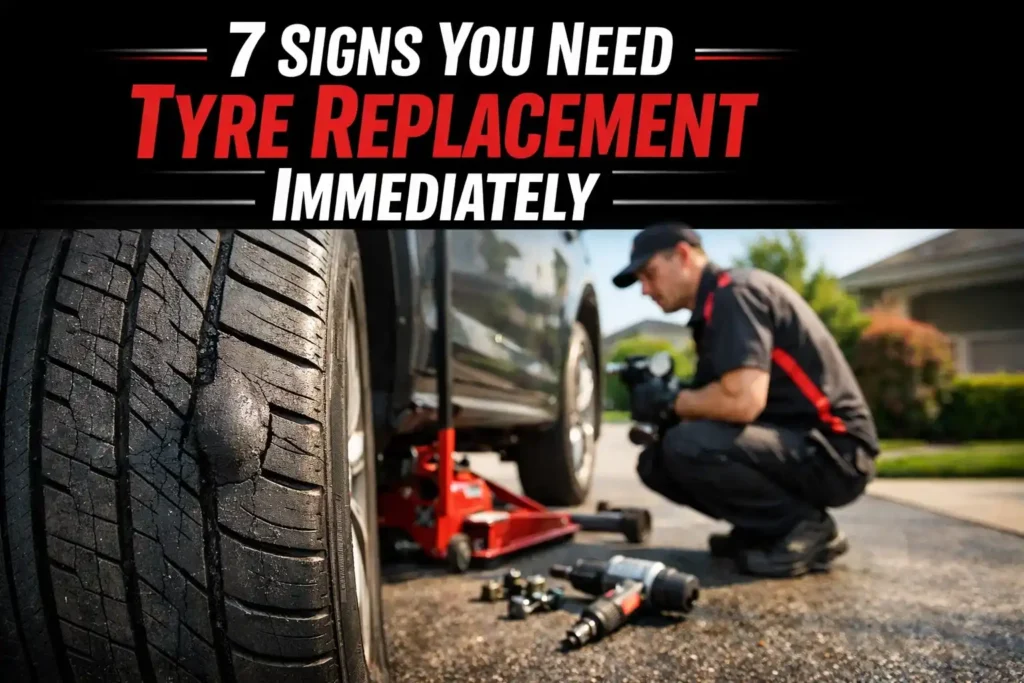
Your tyres are the only part of your car that touches the road. They control how well you brake, steer, and stay safe during every journey. Yet many drivers ignore worn tyres until something goes wrong. A flat tyre at the worst time. A blowout on the motorway. Or simply failing an MOT because the tread is too low. The truth is, most tyre problems show clear warning signs long before they become dangerous. Knowing what to look for can save you money, keep you safe, and prevent breakdowns.
This guide explains the seven most important signs you need tyre replacement immediately. You’ll learn what causes tyre damage, when it’s safe to wait, and how mobile tyre fitting can help you sort it fast without leaving home.
Why Timely Tyre Replacement Is Important for Road Safety
Tyres do more than just roll your car forward. They grip the road, absorb shocks, and help you stop safely. When tyres wear out, everything changes. Your braking distance gets longer. According to RoSPA road safety data, on wet roads, worn tyres struggle to clear water, which increases the risk of skidding. Steering feels less responsive, especially during quick lane changes or sharp turns.
Driving on damaged or worn tyres also raises the chance of a sudden blowout. That can lead to loss of control, especially at high speeds. Delaying tyre replacement doesn’t just put you at risk. It can also lead to bigger repair bills. Worn tyres can damage your suspension, alignment, and wheel rims over time.
The bottom line? Safe tyres mean safer driving. Replacing worn tyres on time protects you, your passengers, and everyone else on the road.
7 Warning Signs You Need Tyre Replacement Immediately
1. Low Tyre Tread Depth (Below Legal Limit)
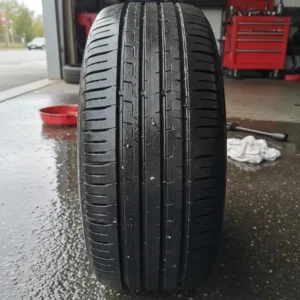
Tyre tread is the pattern of grooves on the surface. It helps your tyres grip the road and push water away when it rains.
In the UK, the legal minimum tread depth is 1.6mm across the entire circumference of the tyre. But that’s the absolute limit. Most experts recommend replacing worn tyres when the tread reaches 3mm, especially if you drive in wet or winter conditions.
Low tread tyres are dangerous because they:
- Increase stopping distance
- Cause aquaplaning on wet roads
- Reduce grip during cornering
- Lead to MOT failure
How to Check Tyre Tread Depth
- Use a 20p coin. Insert it into the tread grooves. If you can see the outer rim of the coin, your tread is too low.
- Check the tyre wear indicators. These are small raised bars inside the grooves. If the tread is level with these bars, it’s time to replace it.
Bald tyres or tyres below the legal limit should never be driven on. They’re unsafe and illegal.
2. Uneven Tyre Wear Patterns
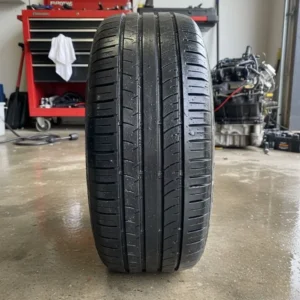
Uneven tyre wear means one part of the tyre is more worn than the rest. You might notice the inner or outer edge is smooth while the centre still has tread.
This happens for several reasons:
- Poor wheel alignment
- Suspension problems
- Incorrect tyre pressure
- Driving habits (sharp turns, heavy braking)
Uneven wear affects how your car handles. It can cause pulling to one side, vibrations, and unpredictable steering. Even if some parts of the tyre look fine, uneven wear means the tyre has lost its balance and safety. Repairing alignment won’t fix a tyre that’s already worn unevenly.
If you spot uneven wear, replacing worn tyres is the safest option. A professional can also check your alignment and suspension to stop it from happening again.
3. Visible Cracks or Cuts on Tyre Sidewalls
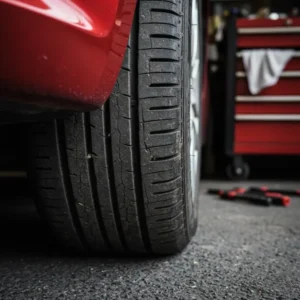
The sidewall is the vertical part of the tyre between the tread and the wheel rim. It supports the structure and absorbs impacts.
Cracks on the sidewall are a serious warning sign. They happen because of:
- UV exposure and weather damage
- Tyre ageing
- Hitting kerbs or potholes
- Driving on under-inflated tyres
Unlike tread damage, sidewall cracks cannot be repaired. The sidewall takes the full weight and pressure of your car. Any weakness here can lead to sudden tyre failure.
What to Look for During Visual Tyre Inspection
- Fine hairline cracks
- Deeper cuts or slices
- Exposed cords or fabric
If you see cracked tyres, replace them immediately. Even small cracks can grow quickly and cause a blowout without warning.
4. Bulges or Blisters on Tyre Surface
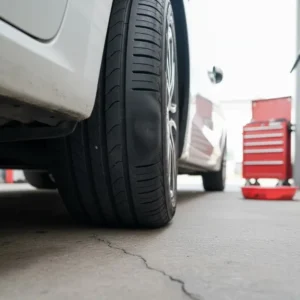
A bulge looks like a bubble or bump on the side or surface of the tyre. It’s a sign that the internal structure has been damaged.
Bulges happen when:
- You hit a pothole hard
- You drive over a kerb at speed
- The tyre is old, and the layers inside separate
Inside the tyre, there are layers of fabric and rubber that hold air under pressure. When these layers break, air pockets form between them. That creates the bulge you see on the outside. Driving with a bulge is extremely dangerous. The tyre can blow out at any time, especially at high speeds or under heavy braking.
There’s no repair for this. If you see a bulge or blister, stop driving and replace the tyre as soon as possible.
5. Constant Tyre Pressure Loss
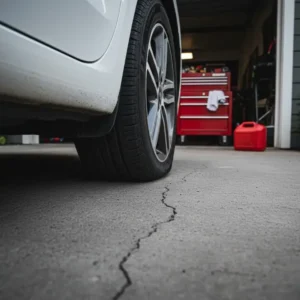
If you’re constantly topping up air in one or more tyres, something’s wrong.
Possible causes include:
- Slow puncture from a nail or sharp object
- Damaged valve stem
- Poor seal between the tyre and wheel rim
- Tyre ageing and rubber deterioration
Under-inflated tyres are dangerous because they:
- Reduce fuel economy
- Increase braking distance
- Cause overheating and possible blowout
- Wear out faster on the edges
If your tyre loses pressure quickly or won’t hold air, get it inspected. A slow puncture can sometimes be repaired. But if the tyre is old or damaged, full replacement is the safer choice.
Don’t ignore tyre pressure problems. They’re often the first sign of bigger issues.
6. Vibrations While Driving Your Car

Feeling vibrations through the steering wheel, seat, or floor? It could be your tyres.
Tyre-related vibrations happen because of:
- Tyre imbalance (uneven weight distribution)
- Internal tyre damage you can’t see
- Tyres that are out-of-round (not perfectly circular)
Vibrations are different from alignment problems. Alignment issues usually cause pulling to one side. Vibrations feel like a constant shaking or wobbling, especially at certain speeds.
Ignoring vibrations can lead to:
- Faster tyre wear
- Damage to suspension and steering
- Reduced comfort and control
If you feel unusual vibrations, get a professional tyre inspection. Sometimes rebalancing helps. But if there’s internal damage, you’ll need new tyres.
7. Tyre Age Over 5-6 Years
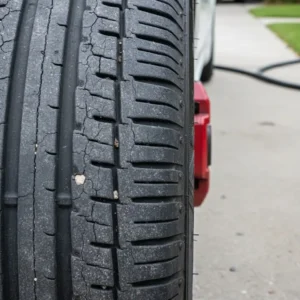
Tyres don’t last forever, even if the tread looks fine.
Rubber breaks down over time because of:
- UV exposure
- Heat and cold cycles
- Ozone and environmental chemicals
Most tyre manufacturers recommend replacing worn tyres after 5 to 6 years, regardless of tread depth. After that, the rubber loses flexibility and grip.
How to Check Your Tyre Age
Look for the DOT code on the sidewall. The last four digits show the week and year of manufacture.
Example: 2319 means the 23rd week of 2019.
Old tyres are more likely to:
- Crack and split
- Lose wet road performance
- Fail suddenly during hard braking or cornering
Even if your tyres look okay, check their age. If they’re over six years old, consider replacing them for safety.
When to Replace Tyres Immediately vs When You Can Wait
Not every tyre issue requires urgent action. But some do.
Replace Tyres Immediately If You Notice:
- Tyre tread depth below 1.6mm (or near 3mm for safety)
- Sidewall cracks or cuts
- Bulges or blisters
- Severe uneven wear
- Tyre age over 6 years
- Frequent air loss that can’t be fixed
You May Be Able to Wait or Repair If:
- Tread is above 3mm with even wear
- Small puncture in the tread area (not sidewall)
- Tyre pressure is stable after topping up
- Minor vibration that goes away after balancing
When in doubt, get a professional tyre inspection. A trained technician can tell you whether it’s safe to keep driving or if you need new tyres now. Tyre safety always comes first. Don’t take chances with worn or damaged tyres.
Dangers of Driving on Worn or Damaged Tyres
Driving on bad tyres isn’t just uncomfortable. It’s dangerous.
Here’s what can happen:
Risk of Tyre Blowout
Worn or damaged tyres can fail suddenly, especially at high speeds. A blowout can cause you to lose control of the car.
Loss of Vehicle Control
Tyres with low tread or sidewall damage don’t grip the road properly. That makes steering unpredictable, especially in emergencies.
Increased Braking Distance
Worn tyres take longer to stop. In wet conditions, the difference can be several car lengths. That could mean the difference between stopping safely and hitting something.
Poor Performance on Wet Roads
Low tread can’t clear water fast enough. Your tyres lose contact with the road, causing aquaplaning. You’ll have almost no control until the tyres grip again.
Legal and Insurance Problems
Driving on illegal tyres (below 1.6mm tread) can result in fines, penalty points, and even invalidate your insurance. The risks aren’t worth it. Replacing worn tyres keeps you safe and legal.
How Often Should You Check Your Tyres?
Regular checks catch problems early.
Recommended Tyre Inspection Schedule
- Quick visual check: once a week
- Tyre pressure check: every two weeks
- Professional inspection: every 6 months or 10,000 miles
What to Check During Visual Inspection
- Tyre tread depth using a 20p coin
- Sidewall cracks or cuts
- Bulges or blisters
- Objects stuck in the tread (nails, stones)
- Uneven wear patterns
Warning Signs Drivers Often Miss
- Small cracks on the inner sidewalls
- Slow pressure loss over several days
- Vibrations that only happen at certain speeds
If you notice anything unusual, don’t wait. Get it checked by a professional. Tyre safety isn’t something to guess at.
And if you ever feel unsafe driving, stop and call for help. Mobile tyre replacement can come to you, so you don’t have to risk driving on damaged tyres.
Professional Tyre Replacement vs DIY or Delaying
Some drivers try to stretch tyre life as long as possible. But putting off tyre replacement can cost more in the long run.
Why DIY Checks Aren’t Enough
- You can’t see internal damage
- Tread depth gauges aren’t always accurate
- Alignment and balance issues need special equipment
Benefits of Professional Tyre Replacement Service
- Correct fitting and torque settings
- Wheel balancing for smooth driving
- Safety checks on brakes, suspension, and alignment
- Expert advice on tyre choice and care
Cost of Delaying Tyre Replacement
Delaying replacement might seem cheaper now. But worn tyres can lead to:
- Suspension damage (£300–£800 repair)
- Wheel rim damage (£100–£300 per wheel)
- Breakdown recovery costs (£50–£150)
- MOT failure and retest fees (£40+)
Early replacement saves money and gives you peace of mind. You know your tyres are safe, fitted correctly, and balanced properly.
Professional service also means you get the right tyres for your car tyre replacement needs and driving style.
Mobile Tyre Replacement – Convenient Solution at Your Location
What if you didn’t have to drive to a garage to get new tyres?
Mobile tyre replacement brings the service to you. A trained technician comes to your home, workplace, or roadside with everything needed to fit your tyres on the spot.
Benefits of Mobile Tyre Fitting Service
- Tyre replacement at home or work
- Same-day tyre replacement, often within hours
- No need to drive on unsafe tyres
- Convenient for busy schedules
- Emergency tyre replacement when you’re stuck
When Mobile Tyre Replacement Makes Sense
- Flat tyre at home in the morning
- Can’t safely drive to a garage
- Need tyres replaced quickly
- Want to avoid waiting rooms and delays
Mobile tyre fitting is just as professional as a garage visit. You get the same quality fitting, balancing, and safety checks. The only difference is that the technician comes to you. It’s perfect for anyone who values convenience, safety, and speed. Plus, it saves you the hassle of arranging lifts or waiting around.
If you need tyres replaced urgently, explore our Tyre Replacement options. And if you’re dealing with a puncture, see our Puncture Repair services.
Emergency Tyre Replacement: When You Can’t Wait
Sometimes you can’t wait until tomorrow.
Signs You Should Not Drive Further
- The tyre is completely flat
- Visible bulge or severe damage
- The tyre has blown out
- Vibrations are severe and getting worse
- You feel unsafe or uncertain
Roadside vs Home Emergency Replacement
If you’re stuck on the roadside, emergency tyre replacement can come to you. Most mobile services operate 24/7 and arrive within an hour.
If you’re at home and notice damage before driving, it’s safer to book a mobile service than risk the journey.
Safety Tips While Waiting for Help
- Move your car off the road if possible
- Turn on hazard lights
- Stay inside the car if you’re on a busy road
- Don’t try to change the tyre yourself on a motorway
Fast response services mean you’re not stranded for long. And you don’t have to put yourself in danger changing a tyre in traffic.
Conclusion
Your tyres are the foundation of safe driving. They control how well you brake, steer, and stay stable on the road. Ignoring warning signs like low tread, cracks, bulges, or vibrations can lead to breakdowns, accidents, and costly repairs. The good news? Most tyre problems give clear signals long before they become dangerous. Regular inspections and timely replacements keep you safe and save money in the long run.
If you’ve noticed any of the signs mentioned in this guide, don’t wait. Book a professional or mobile tyre replacement today with Fastgrip Mobile Tyres.
Frequently Asked Questions
1. How do I know if my tyres need replacing?
Check for low tread depth (below 3mm), sidewall cracks, bulges, uneven wear, or tyres older than six years. If you notice any of these, it’s time to replace them.
2. What does tread depth mean I need tyre replacement?
The legal minimum is 1.6mm. But for safety, especially in wet conditions, replace tyres when the tread reaches 3mm.
3. Are cracked tyres safe to drive on?
No. Cracks weaken the tyre structure and can lead to sudden failure. Replace cracked tyres immediately.
4. Can vibrations mean tyre damage?
Yes. Vibrations can be caused by tyre imbalance, internal damage, or tyres that are out of round. Get them inspected by a professional.
5. How old is too old for tyres?
Most manufacturers recommend replacing tyres after 5 to 6 years, even if the tread looks fine. Check the DOT code on the sidewall to find the age.
6. Is mobile tyre replacement safe?
Yes. Mobile tyre fitting is performed by trained professionals using the same equipment and standards as those found in a garage. It’s convenient, fast, and just as safe.
7. Can worn tyres affect braking distance?
Absolutely. Worn tyres increase stopping distance, especially on wet roads. This can be the difference between stopping safely and having an accident.
8. What causes uneven tyre wear?
Poor wheel alignment, incorrect tyre pressure, suspension problems, or aggressive driving habits usually cause uneven tyre wear.