
Tire Pressure Tips and Tricks: How to Maintain Optimal Tire Pressure for Safety and Efficiency
Maintaining the right tire pressure is one of the simplest yet most impactful ways to keep your vehicle running smoothly. Whether you’re a daily commuter or a weekend road tripper, proper tire pressure can enhance safety, improve fuel economy, and extend the life of your tires. In this comprehensive guide, we’ll dive into essential tire pressure tips and tricks, backed by expert advice, to help you stay on top of this crucial aspect of car maintenance.
Why Proper Tire Pressure Matters
Underinflated or overinflated tires can lead to a host of problems. According to tire experts, maintaining the correct pressure can improve gas mileage by up to 3.3%, potentially saving you money at the pump. It also ensures better handling, reduces the risk of blowouts, and promotes even tire wear. On the flip side, improper pressure can cause premature tire degradation, reduced traction, and even accidents. For instance, low pressure increases rolling resistance, which heats up the tires and affects fuel efficiency.
How to Check Your Tire Pressure: Step-by-Step Guide
Checking tire pressure is a quick task that should be done monthly or before long drives. Always perform this when the tires are “cold”—meaning the car hasn’t been driven for at least a few hours, as heat from driving can inflate readings by up to 4-6 PSI.
Here’s how to do it:
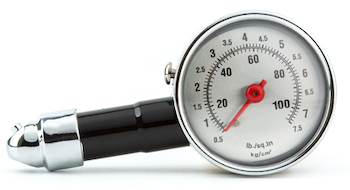
- Gather your tools: You’ll need a reliable tire pressure gauge. Digital gauges are accurate and easy to read, but a traditional dial gauge works too.
How to Use a Tire Pressure Gauge | Tameson.com
- Locate the valve stem: Remove the cap from the valve stem on each tire.
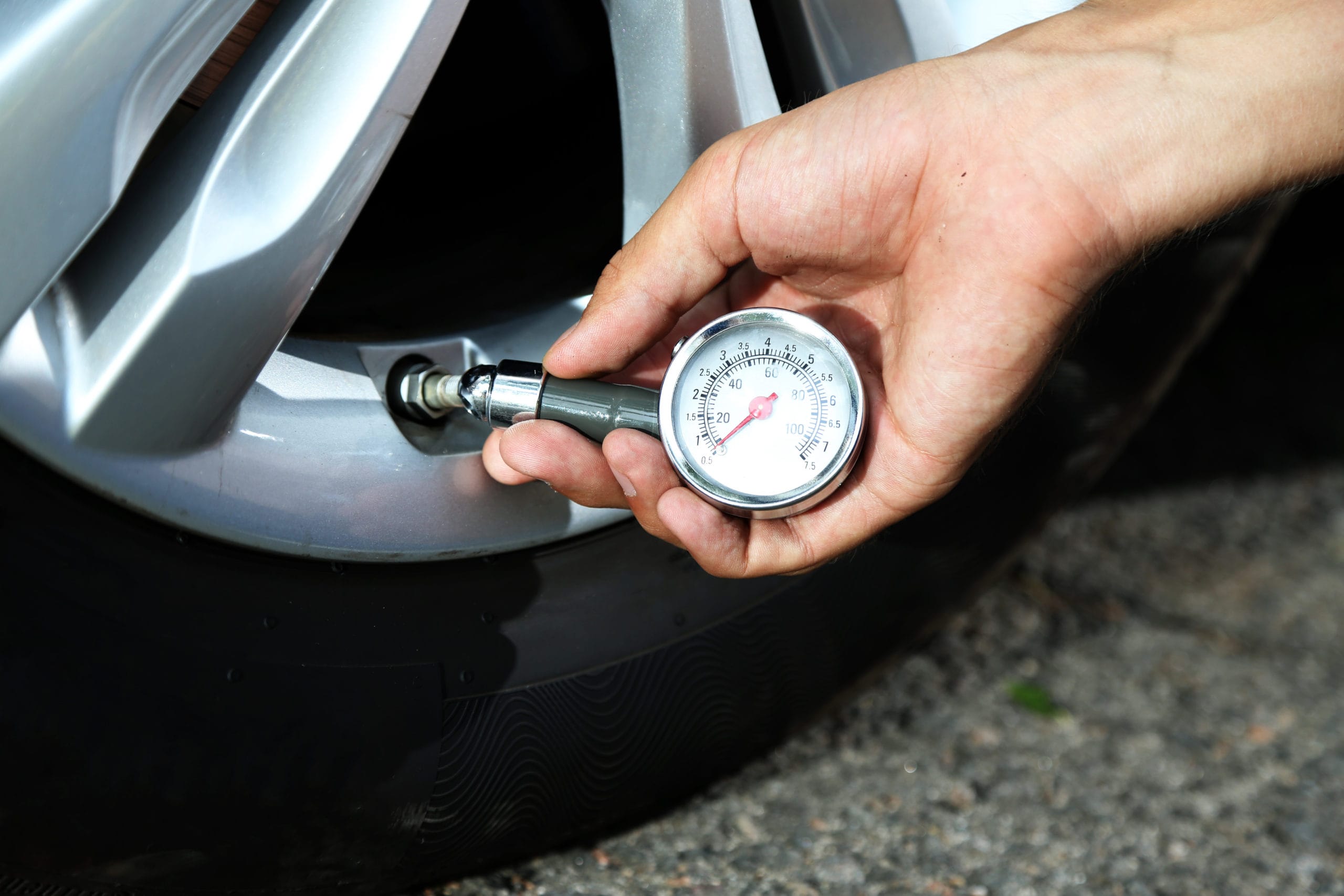
- Measure the pressure: Press the gauge firmly onto the valve stem and note the PSI reading.
- Compare to recommended levels: Check against your vehicle’s specs (more on this below).
- Inflate if needed: Use an air compressor at a gas station or home to add air. Recheck after filling.
- Don’t forget the spare: Always verify the spare tire’s pressure too.
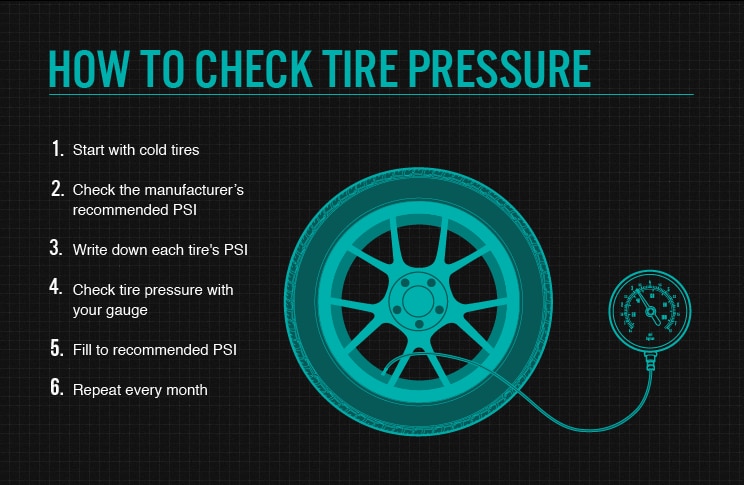
For a visual guide:
Pro tip: Invest in a quality gauge and keep it calibrated for precision.
Finding the Recommended Tire Pressure for Your Vehicle
The ideal tire pressure isn’t a one-size-fits-all number—it’s specific to your car. Look for the manufacturer’s recommendation on the driver’s side door jamb sticker or in the owner’s manual. This is typically between 30-35 PSI for most passenger cars, but it can vary. Importantly, do not use the maximum pressure listed on the tire sidewall as your target; that’s the absolute limit, not the optimal level.
If you’re unsure, the “4 PSI rule” is a handy trick: For every 10-degree drop in temperature, tire pressure can decrease by about 1 PSI, so adjust accordingly in colder months.
Useful Tips and Tricks for Maintaining Tire Pressure
Here are some practical tire pressure tips and tricks to incorporate into your routine:
- Check regularly: Inspect pressure at least once a month and before long trips. Tires naturally lose about 1 PSI per month due to permeation.
- Account for seasons: In winter, cold air causes tires to deflate, so add a few extra PSI. In summer, heat can overinflate them—check more frequently.
- Use nitrogen if possible: Filling tires with nitrogen instead of regular air can maintain pressure longer, as it leaks slower and is less affected by temperature changes.
- Keep valves in good shape: Ensure valve stems and cores are clean and undamaged to prevent leaks. Replace caps tightly after checking.
- Monitor while driving: Many modern cars have Tire Pressure Monitoring Systems (TPMS). If the light comes on, address it immediately.
- Balance load: When carrying heavy loads or towing, increase rear tire pressure slightly as per your manual’s guidelines.
- Track day trick: For performance driving, start with slightly lower pressure, as tires will heat up and expand during use.
- Clean wheels regularly: Dirt and debris can affect valve functionality, so keep them clean for better maintenance.
These habits can extend tire life by up to 25% and boost safety.
Common Mistakes to Avoid with Tire Pressure
- Over-relying on gas station gauges: They can be inaccurate—always use your own calibrated gauge.
- Inflating hot tires: This leads to incorrect readings and potential overinflation once cooled.
- Ignoring the spare tire: It might be your lifeline in an emergency, so keep it at the recommended pressure.
- Assuming all tires are the same: Front and rear tires may have different recommended pressures, especially in trucks or performance vehicles.
By avoiding these pitfalls, you’ll prevent costly repairs and ensure a smoother ride.
Final Thoughts on Tire Pressure Maintenance
Incorporating these tire pressure tips and tricks into your vehicle care routine is an easy win for better performance, safety, and savings. Remember, a few minutes of monthly maintenance can go a long way. If you’re ever in doubt, consult a professional mechanic or your tire manufacturer for personalized advice. Drive safe!